

Understanding Secp Trademark Objection Response Procedure
The Securities and Exchange Commission of Pakistan (SECP) may raise objections to your trademark application. Responding to these objections is a crucial step in the trademark registration process. This guide walks you through the Secp trademark objection response procedure.
Understanding the objection is the first step. The SECP may object to your trademark on various grounds, such as similarity to an existing trademark, likelihood of confusion, or lack of distinctiveness. Each objection must be addressed separately in your response.
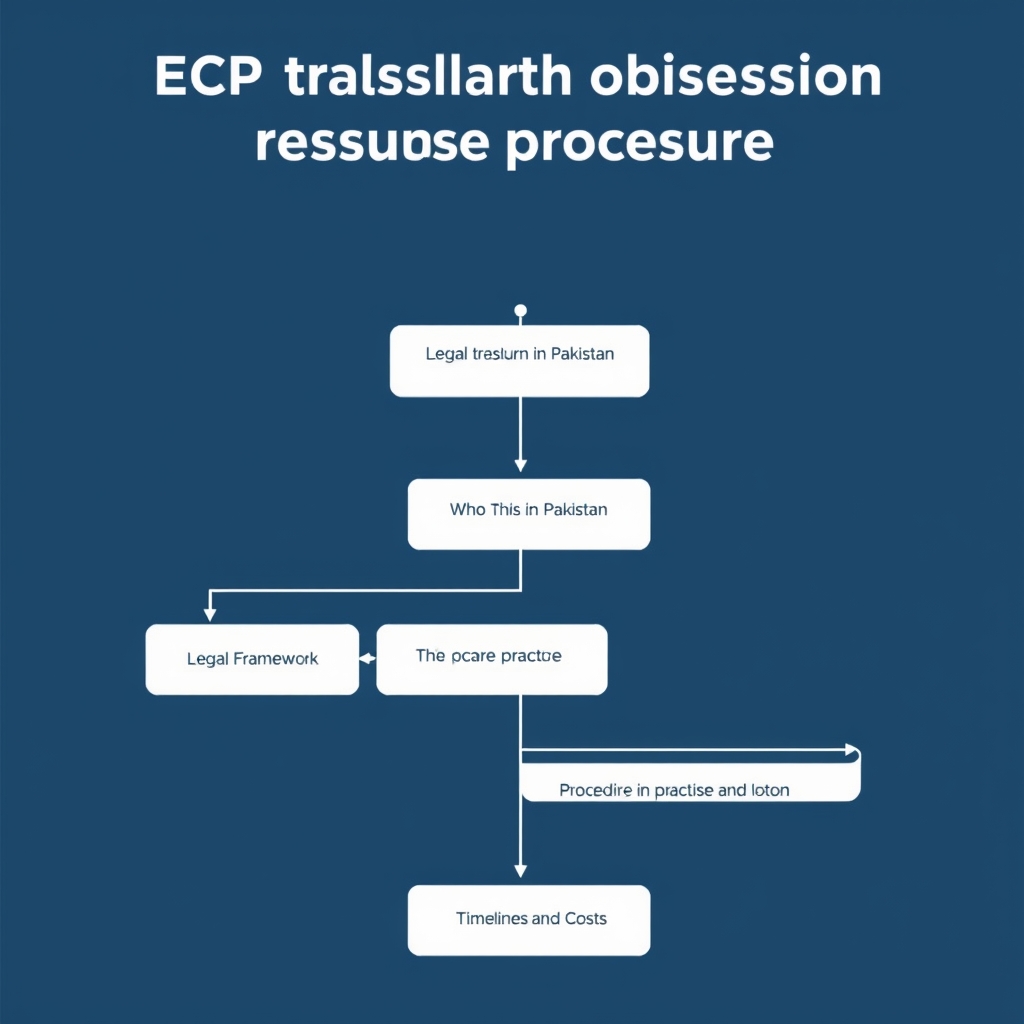
Legal Framework in Pakistan
The Trademarks Ordinance, 2002 governs trademark registration and disputes in Pakistan. The SECP is the registrar of trademarks and handles objections and disputes. The Code of Civil Procedure, 1908 and the Intellectual Property Organization of Pakistan (IPO-Pakistan) rules also apply to trademark disputes.
Relevant sections of the Trademarks Ordinance, 2002 include Section 8 (grounds for refusal of registration), Section 21 (opposition to registration), and Section 23 (appeal against refusal or opposition).
Who This Applies To
This guide applies to individuals, businesses, or legal representatives responding to a trademark objection raised by the SECP in Pakistan. It is crucial to understand that the response process differs from the initial trademark application process.
If you are not the applicant but are involved in the trademark dispute (e.g., as a licensee or assignee), you may still need to respond to the SECP’s objection. Consult the relevant sections of the Trademarks Ordinance, 2002 to determine your rights and obligations.
Procedure in Practice
Once you receive the SECP’s objection, follow these steps to respond:
- Understand the objection and gather evidence to support your position.
- Prepare a written response addressing each objection point by point. Include evidence and legal arguments to support your position.
- File your response with the SECP within the specified timeframe (usually 30 days).
- Pay the required fee for filing the response.
- Monitor the status of your response and follow up if necessary.
You may file your response online through the SECP’s e-filing system or manually at the SECP’s head office in Islamabad.
Timelines and Costs
The SECP typically allows 30 days to respond to an objection. However, this timeline may vary, so check the notice carefully. Failure to respond within the specified time may result in your application being abandoned.
The fee for filing a response to an SECP trademark objection is currently PKR 5,000. This fee is subject to change, so check the latest fee schedule on the SECP’s website.
Pitfalls to Watch For
Common pitfalls in responding to SECP trademark objections include:
- Failing to address each objection point separately.
- Submitting insufficient or irrelevant evidence.
- Missing the response deadline.
- Paying the incorrect fee.
To avoid these pitfalls, carefully read the objection notice, gather relevant evidence, and follow the response procedure meticulously.
Frequently Asked Questions
FAQs will be added here based on the research context.
When to Engage Professional Help for Secp Trademark Objection Response Procedure
Engaging a trademark attorney can be beneficial when:
- The objection is complex or involves multiple grounds.
- You are unsure about the strength of your case or the evidence required.
- You need to negotiate with the SECP or the opposing party.
- You want to appeal the SECP’s decision.
Pak Legal Desk offers online legal services, including trademark attorney consultations. Visit our online legal services page for more information.
Contact PakLegal for a free consultation today.
Related Reading
- Trademark Registration in Pakistan: Procedure, Fees and Compliance Guide
- Free Legal Consultation
- Find a Lawyer
This article is for general informational purposes only and does not constitute legal advice. Consult a qualified lawyer for guidance specific to your situation.
Need to Discuss Your Specific Situation?
This guide is for educational purposes to help you understand the general legal process. If you need to discuss how these principles apply to your specific circumstances, you may contact the author’s office.
Contact the Author’s OfficePlease note: This contact is for a discussion of legal principles only and does not create an advocate-client relationship until a formal engagement is confirmed.